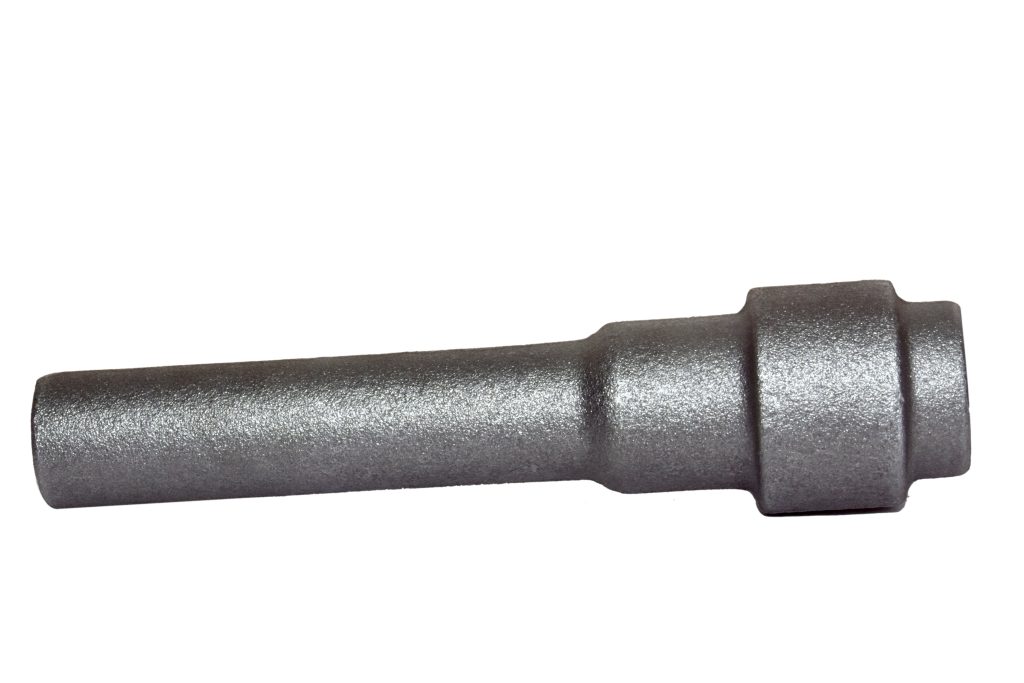
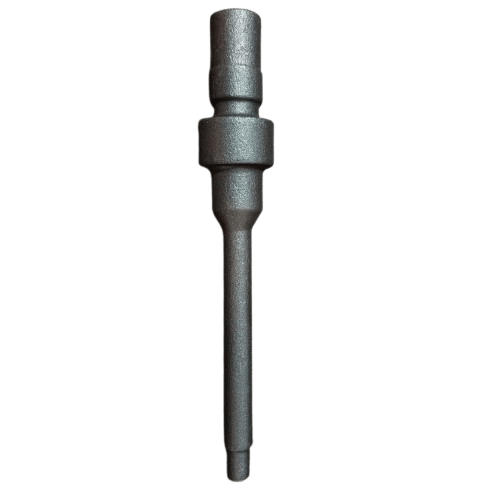
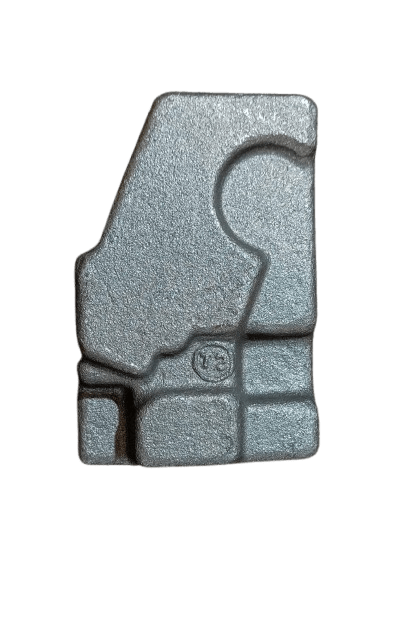
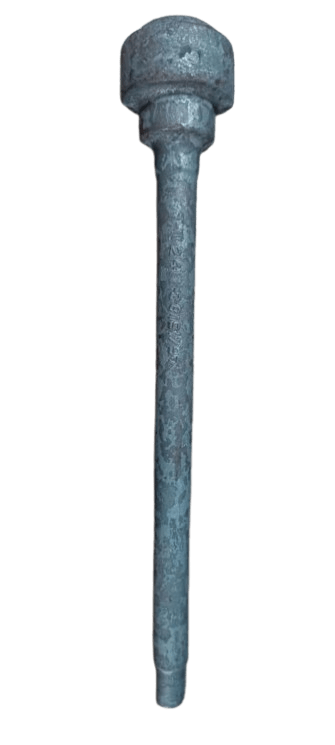
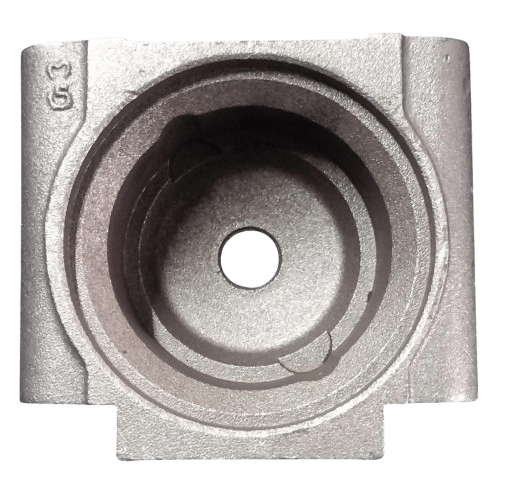
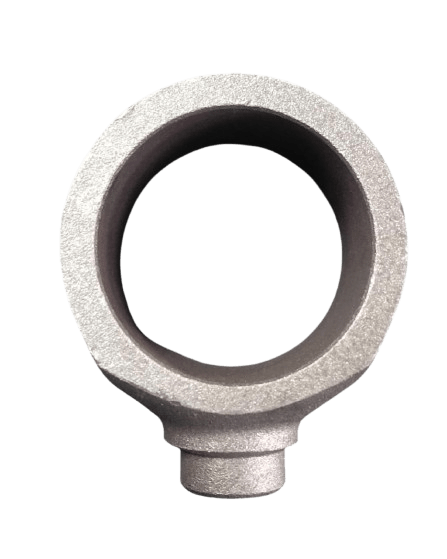
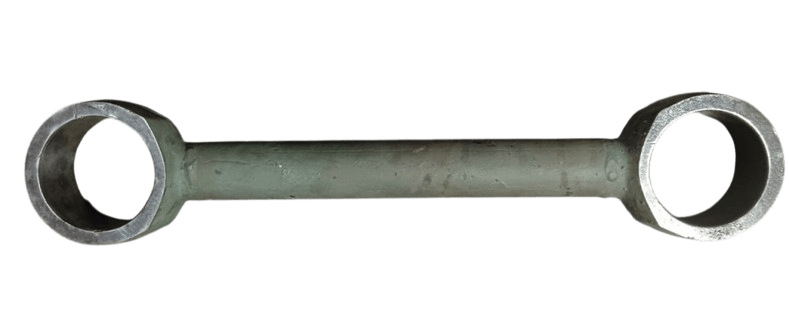
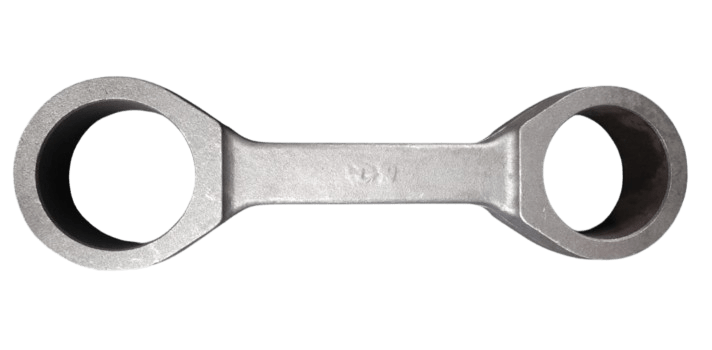
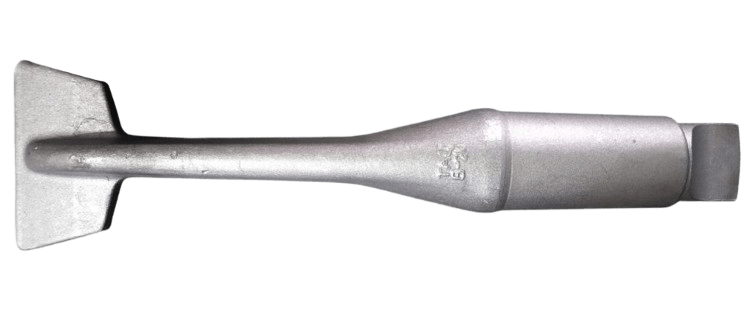
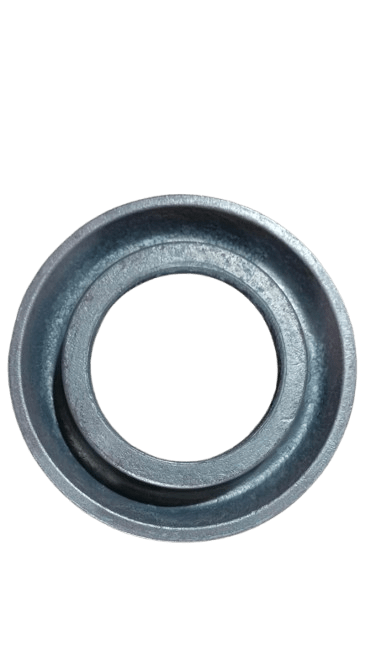
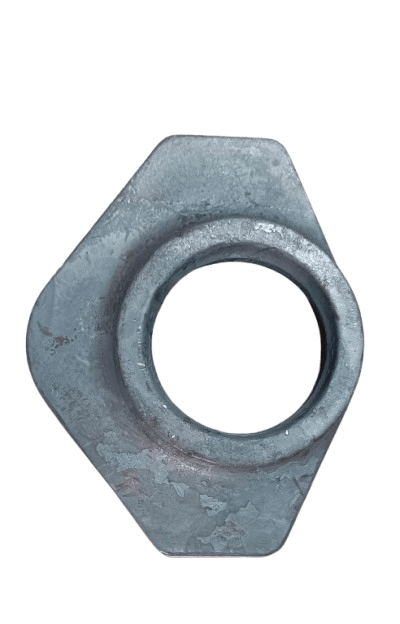
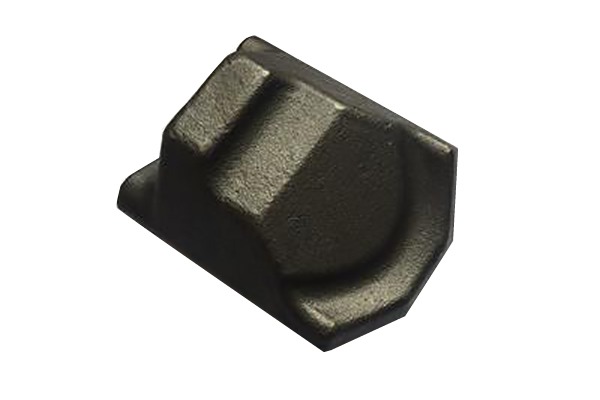
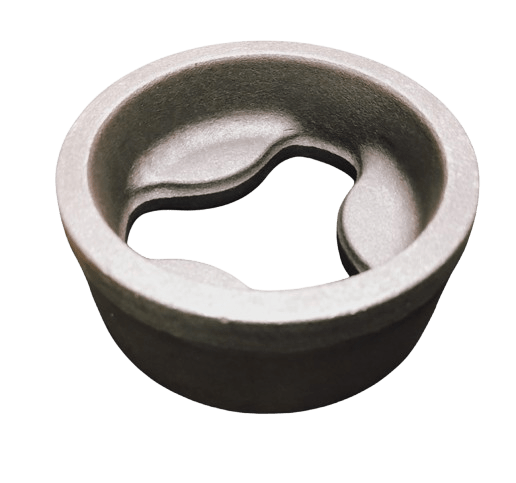
Forged components are metal parts shaped under intense compressive forces to deliver exceptional strength, reliability, and fatigue resistance, which is why they are preferred for safety‑critical applications in automotive, aerospace, energy, and heavy engineering industries. For manufacturers and OEMs, forgings combine robust performance with long service life, making them a smart choice where failure is simply not an option.
What are forged components?
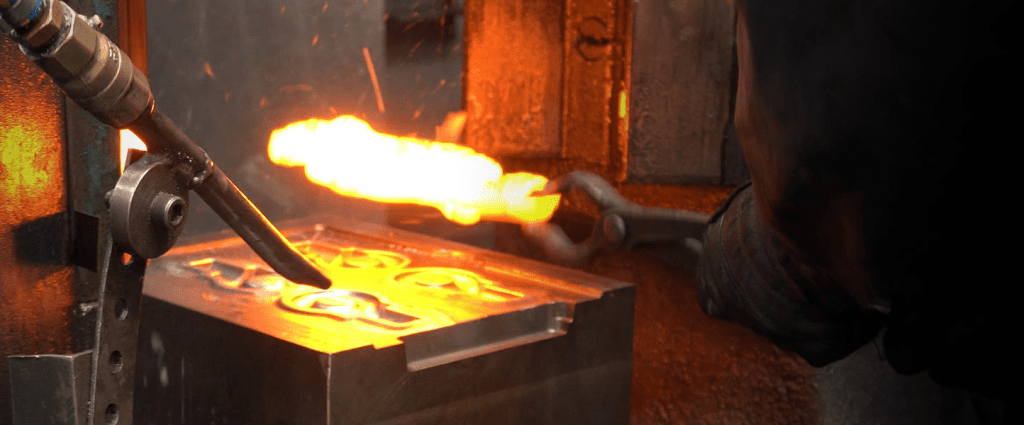
Forged components are parts produced by deforming metal, usually steel or alloy, through hammering, pressing, or rolling so that it takes the shape of a die or tool. During this process the grain structure of the metal is refined and aligned with the part geometry, improving strength, toughness, and resistance to impact and fatigue compared to many other manufacturing routes.
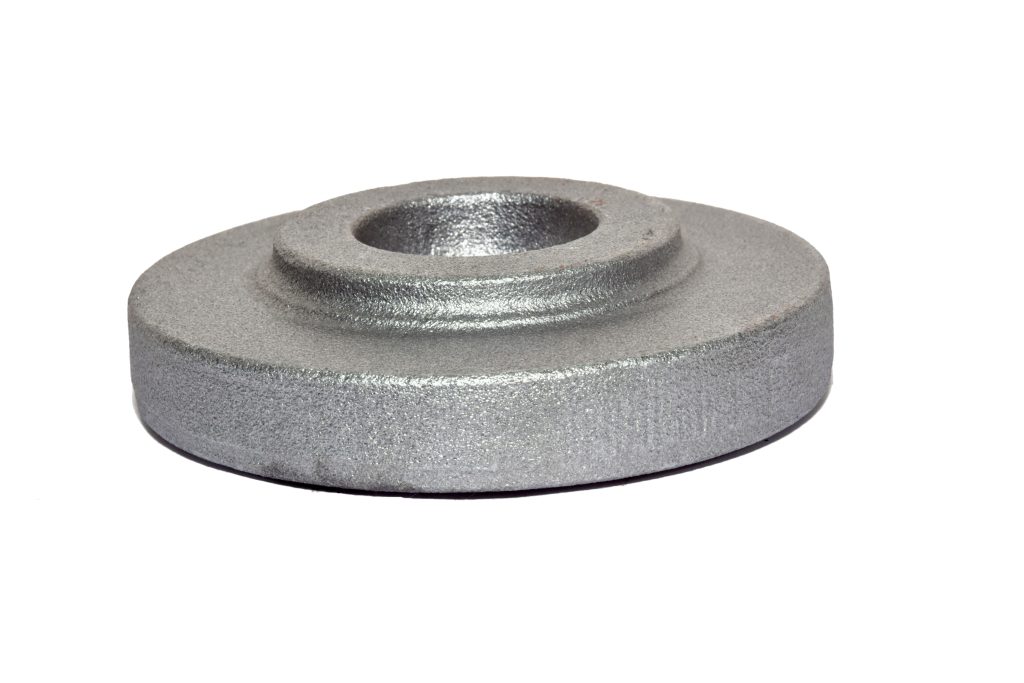
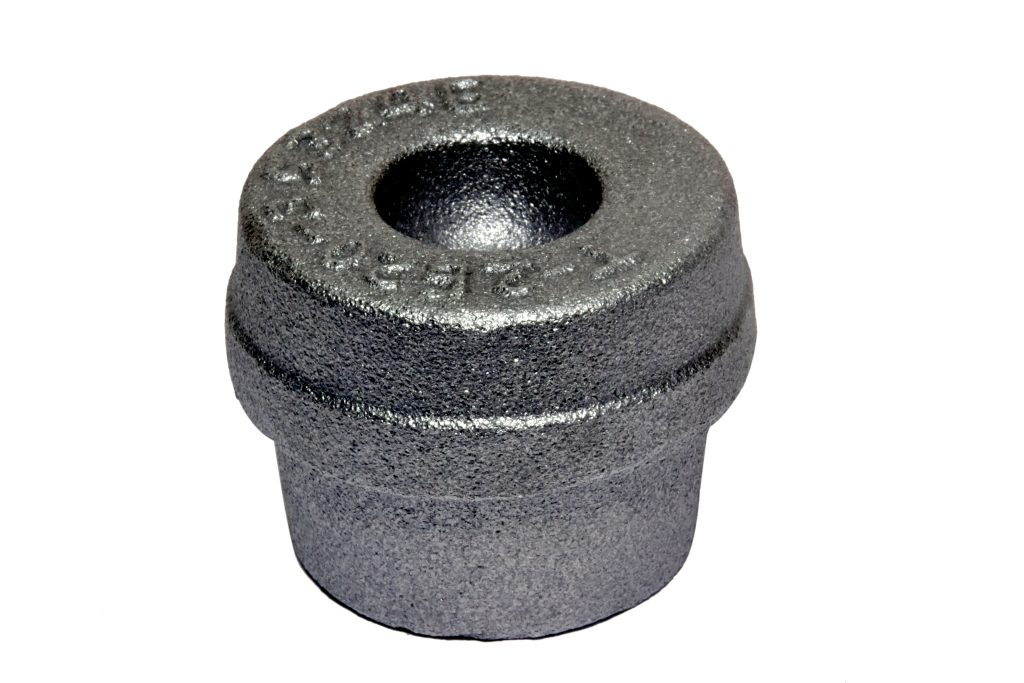
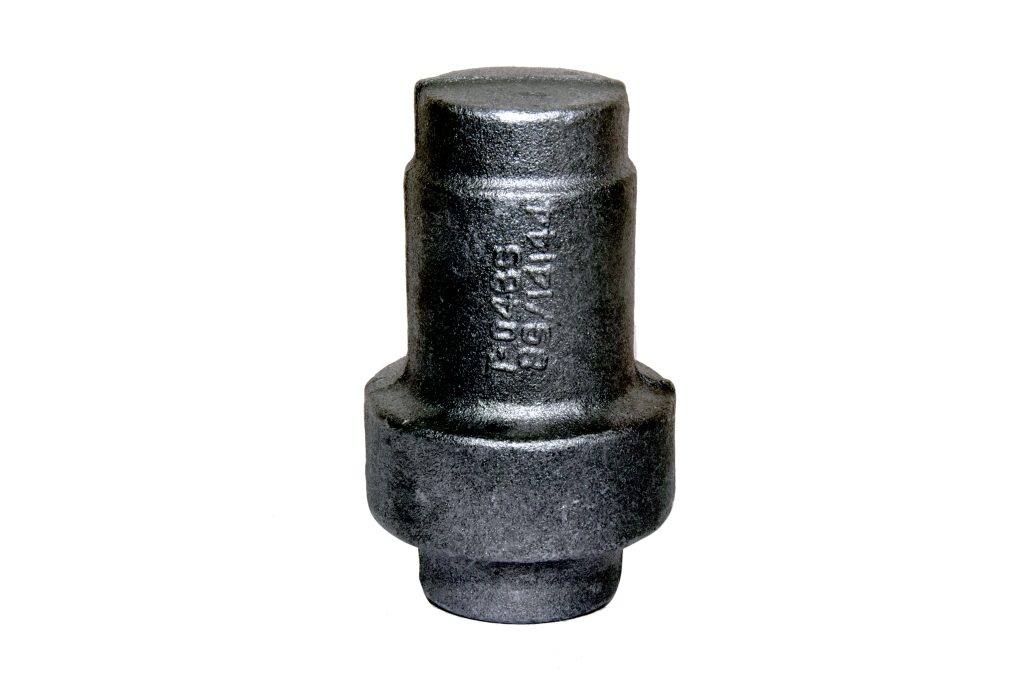
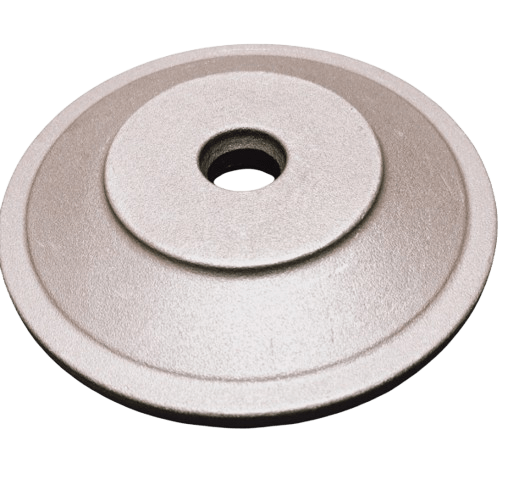
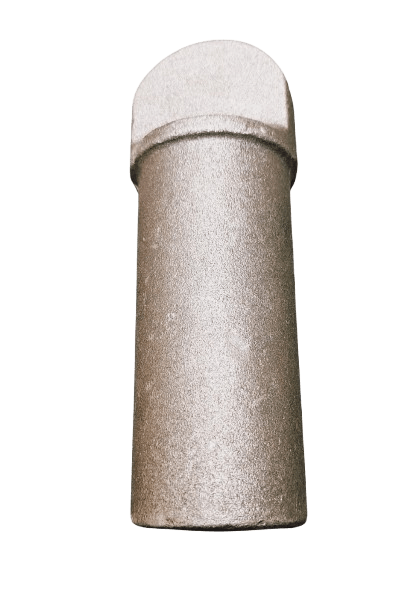
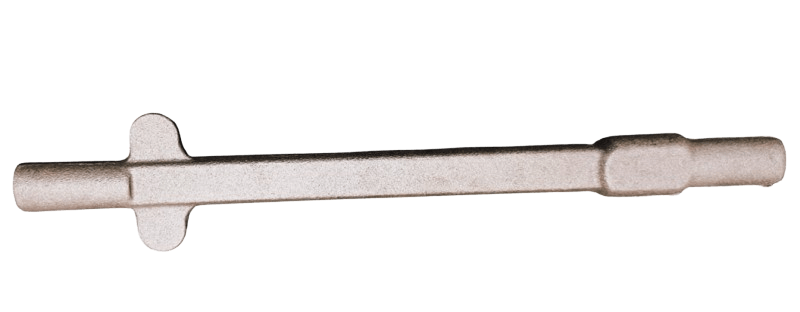
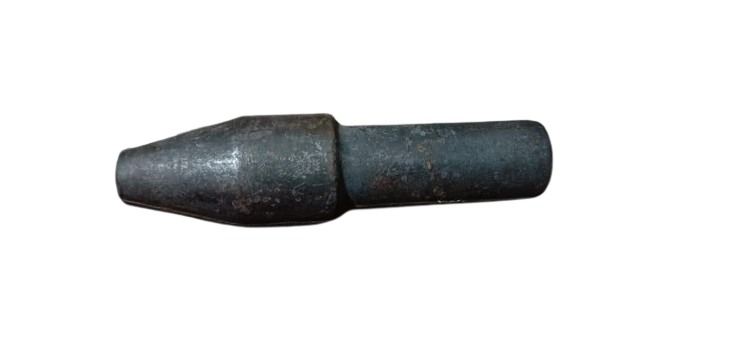
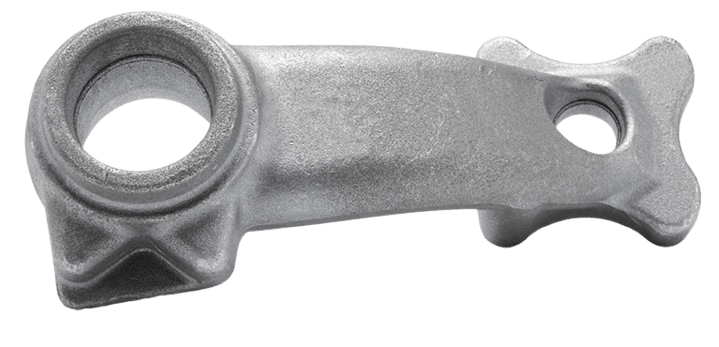
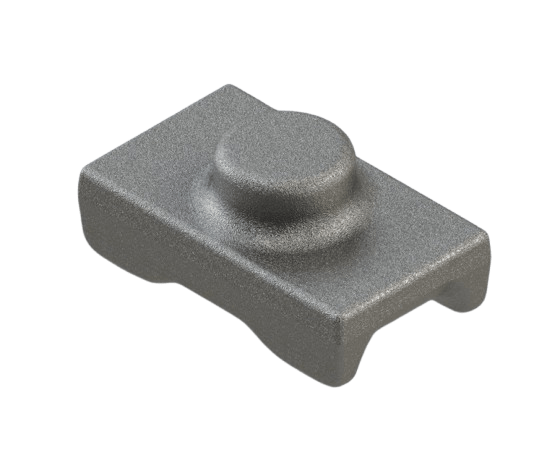
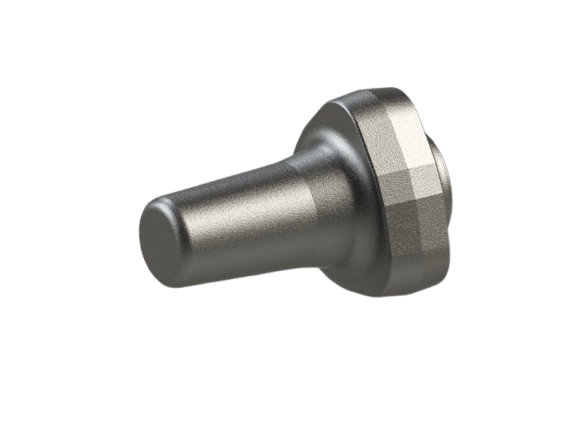
Forgings can be simple shapes like rings, flanges, and bars, or highly complex 3D profiles such as crankshafts, connecting rods, and landing‑gear parts. Depending on design and volume, components can be supplied as near‑net‑shape forgings that require minimal machining, helping reduce material waste and overall production cost.
Key forging processes –
The most common forging routes are open‑die forging, closed‑die (impression‑die) forging, and ring rolling, each suited to different sizes and complexities. In open‑die forging, the hot metal is worked between flat or contoured dies with relatively free flow, ideal for large shafts, blocks, and custom shapes, but usually requiring more machining.
Closed‑die forging traps the heated metal inside a shaped die cavity to create near‑final geometry with excellent accuracy and repeatability, which is ideal for high‑volume automotive and machinery parts. Ring rolling is used to create seamless rings with controlled wall thickness and diameter, widely used for bearings, flanges, and aerospace rings where uniform properties are critical.
Why forging instead of casting or machining?
Forged components stand out because the process actively improves material integrity rather than just shaping it. The intense compressive forces close internal voids, reduce porosity, and align grain flow along stress paths, resulting in higher tensile strength, toughness, and excellent fatigue performance.
Compared with many cast parts, forged components typically show superior impact resistance and more consistent mechanical properties, especially under cyclic or shock loading. This reliability also translates into longer component life, fewer failures in service, and lower lifecycle costs for equipment owners.
Major applications of forged components –
Automotive industries use forgings for crankshafts, connecting rods, gears, wheel hubs, steering knuckles, and suspension parts because these components must survive continuous dynamic loading and harsh road conditions. Commercial vehicle and tractor manufacturers also rely on forged yokes, axle beams, and transmission parts to withstand heavy loads and long operating hours.
In aerospace, forged components are integral to engine shafts, turbine discs, landing‑gear elements, and structural brackets, where high strength‑to‑weight ratio and outstanding reliability are mandatory. Precision‑forged parts help reduce weight without compromising safety, directly supporting fuel efficiency and performance targets for modern aircraft.
Energy and industrial sectors also heavily depend on forgings. Power plants, oil and gas, mining, and construction equipment use forged flanges, gear blanks, valves, shafts, and couplings to handle high pressures, temperature extremes, and shock loads in demanding environments.
Benefits for manufacturers and end users
For OEMs and component suppliers, forged components offer a robust combination of performance, consistency, and cost effectiveness over the full product lifecycle. The superior mechanical properties often allow designers to reduce section thickness or part weight while still meeting safety factors, which can improve overall system efficiency.
End users benefit from longer service intervals, fewer unexpected breakdowns, and increased safety in vehicles and machines that use forged parts. As industries push for higher power density, lightweight designs, and reduced emissions, demand for high‑performance forged components continues to grow across global markets.
Forged components play a vital role in agriculture by providing exceptional strength and durability for heavy machinery. These parts, such as plowshares, tractor axles, cultivator shanks, gears, shafts, and harvester blades, endure harsh conditions like abrasive soils, impacts, and high stress during tillage, planting, and harvesting. Their superior grain structure from the forging process enhances fatigue resistance and longevity, reducing downtime and maintenance costs for farmers compared to cast or machined.
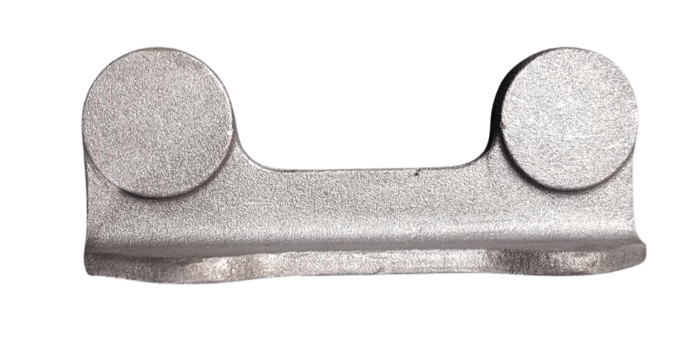
Forged components play a vital role in railway industry due to their superior strength, durability, and resistance to fatigue under heavy loads and dynamic stresses. These parts, produced through forging processes that refine metal grain structure, include critical elements like rail joints, fishplates, bolts, fasteners, brake shoes, couplers, axles, wheels, and bogie components, ensuring track stability, safe braking, and reliable train propulsion. By withstanding extreme conditions such as impacts, vibrations, and heat, forged railway parts enhance safety, reduce maintenance costs, and extend infrastructure lifespan compared to cast alternatives.
Forged components play a critical role in defense applications due to their superior strength, fatigue resistance, and structural integrity compared to cast or machined parts. These parts, produced by compressing metal under high pressure to refine grain structure and eliminate voids, are essential in ground vehicles like tanks and armored carriers, naval systems such as propeller shafts and submarine structures, and aerospace elements including aircraft engines and missile bodies. Their durability under extreme stress ensures reliability in weapons, ordnance, and high-threat environments, meeting stringent military standards for performance and safety.
Forged components play a vital role in the automobile industry due to their superior strength, durability, and precision compared to cast parts. They are essential for high-stress applications, enhancing vehicle performance, safety, and efficiency.
Key Usage Areas
Forged parts are widely used in engines, powertrains, chassis, and suspension systems.
- Engine components: crankshafts, connecting rods, pistons, camshafts, and injectors withstand high mechanical stress and RPMs.
- Powertrain: gears, transmission shafts, drive shafts, clutch hubs, universal joints, and differential gears manage torque and power transfer.
- Chassis and suspension: axles, wheel spindles, kingpins, torsion bars, steering knuckles, control arms, bearings, and hubs handle shock, weight, and stability.
- Wheels and brakes: forged wheels offer better strength-to-weight ratio for performance vehicles; brake discs ensure precision and safety.
Manufacturing Advantages
The forging process compresses metal under high pressure and heat, aligning grain structures for denser, tougher parts with minimal defects like porosity.
This results in higher fatigue resistance, impact tolerance, and longevity, ideal for demanding automotive conditions.
Why Important
Forged components improve fuel efficiency through lighter weight, boost engine lifespan (up to 20% in some cases), and reduce failure risks in safety-critical areas.
They enable high-performance vehicles while supporting mass production with consistent quality and cost-effectiveness for medium-to-high volumes. Compared to casting, forging prioritizes strength over complex shapes, making it preferred for load-bearing parts.